The Water Savings Are Significant
The environmental and financial case for groundcover is strong. According to the U.S. Environmental Protection Agency's WaterSense program, landscapes built with region appropriate, water efficient plantings can reduce outdoor water consumption by 20 to 50 percent compared to conventional turf heavy yards. Groundcovers with deeper, more established root systems are often able to access moisture that shallow rooted turf grass cannot, meaning less supplemental irrigation is needed even during dry stretches.
Beyond water, native groundcovers typically require far less chemical input than a traditional lawn. Research from the Xerces Society and multiple university extension programs indicates that established native plantings can reduce the need for fertilizer and pesticide applications by up to 60 percent, since these species have evolved alongside local soil organisms and pollinators over time. That reduction matters not just for your maintenance routine, but for the health of the broader watershed your yard drains into.
Options Beyond Grass
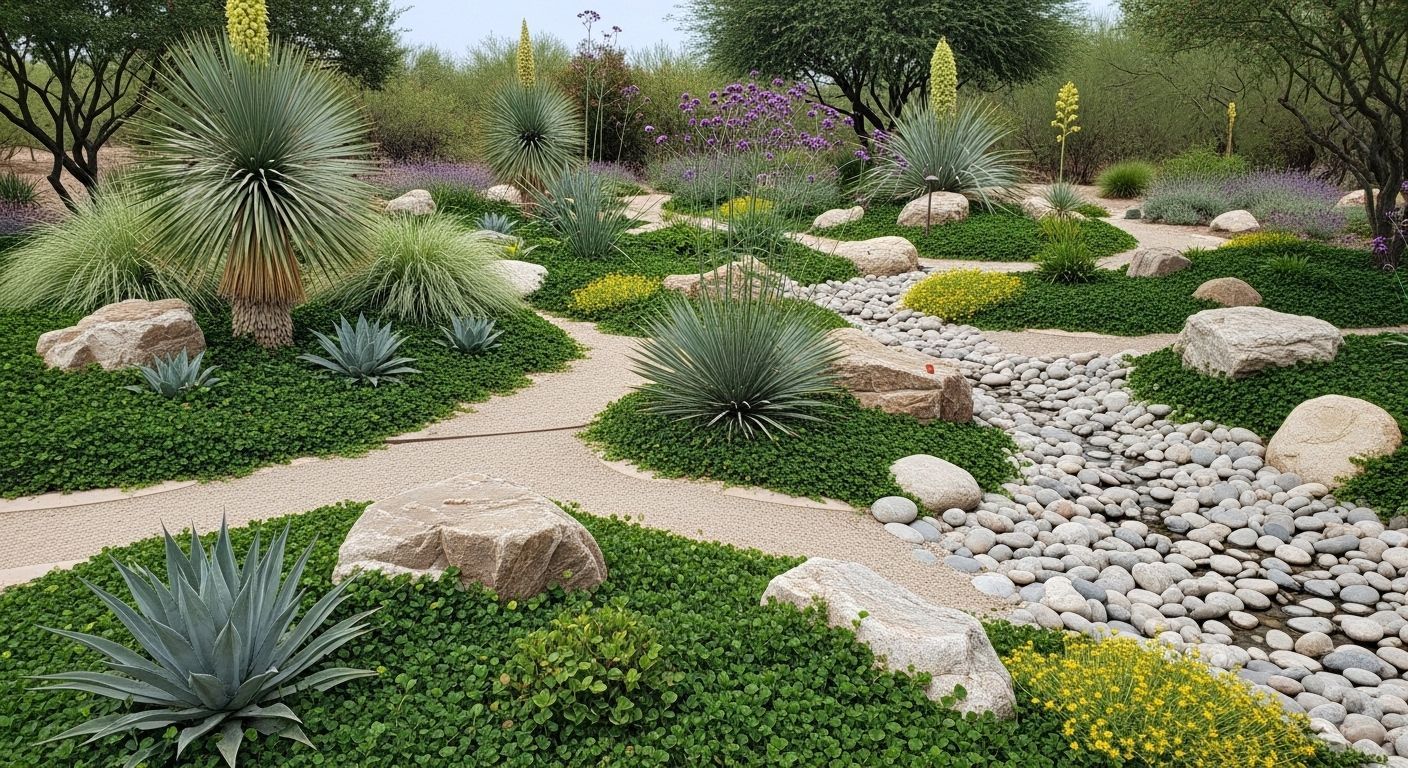
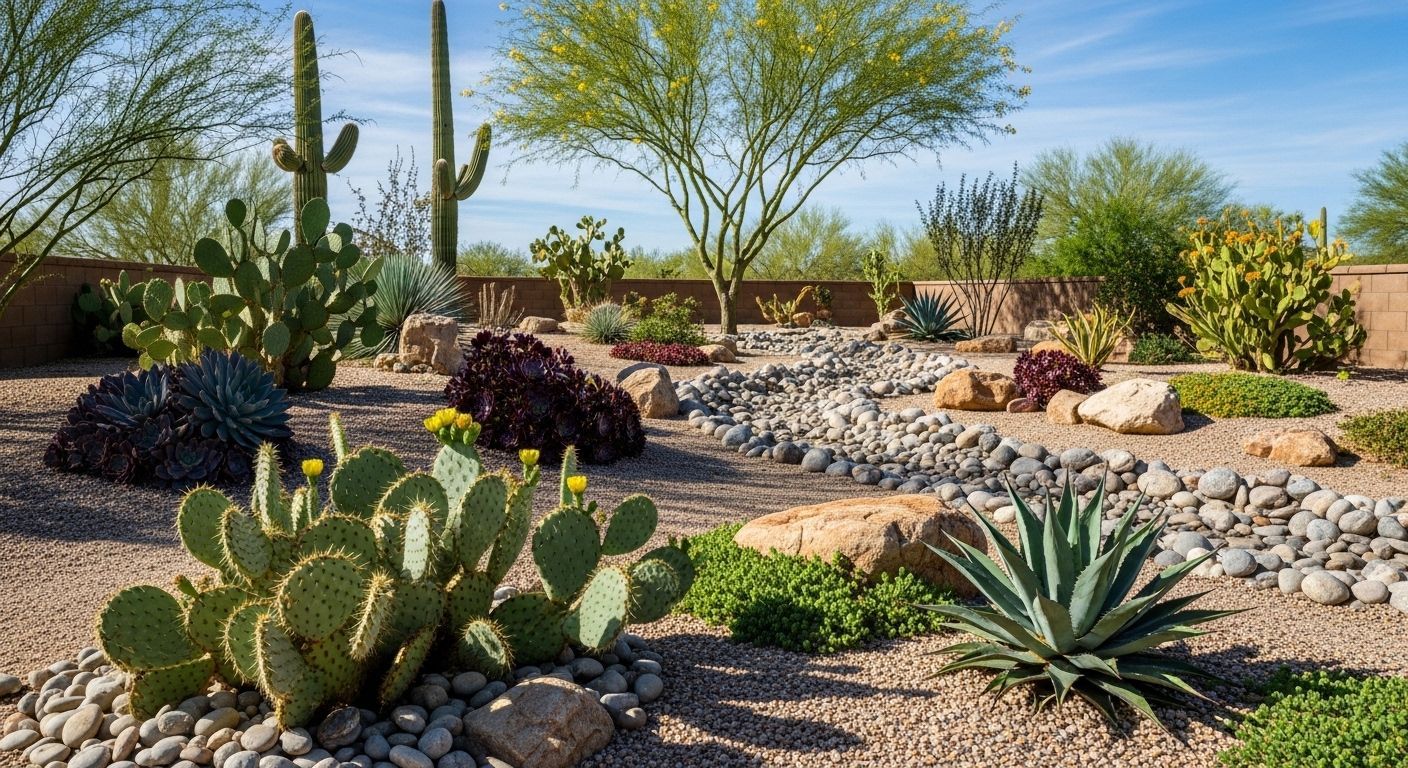
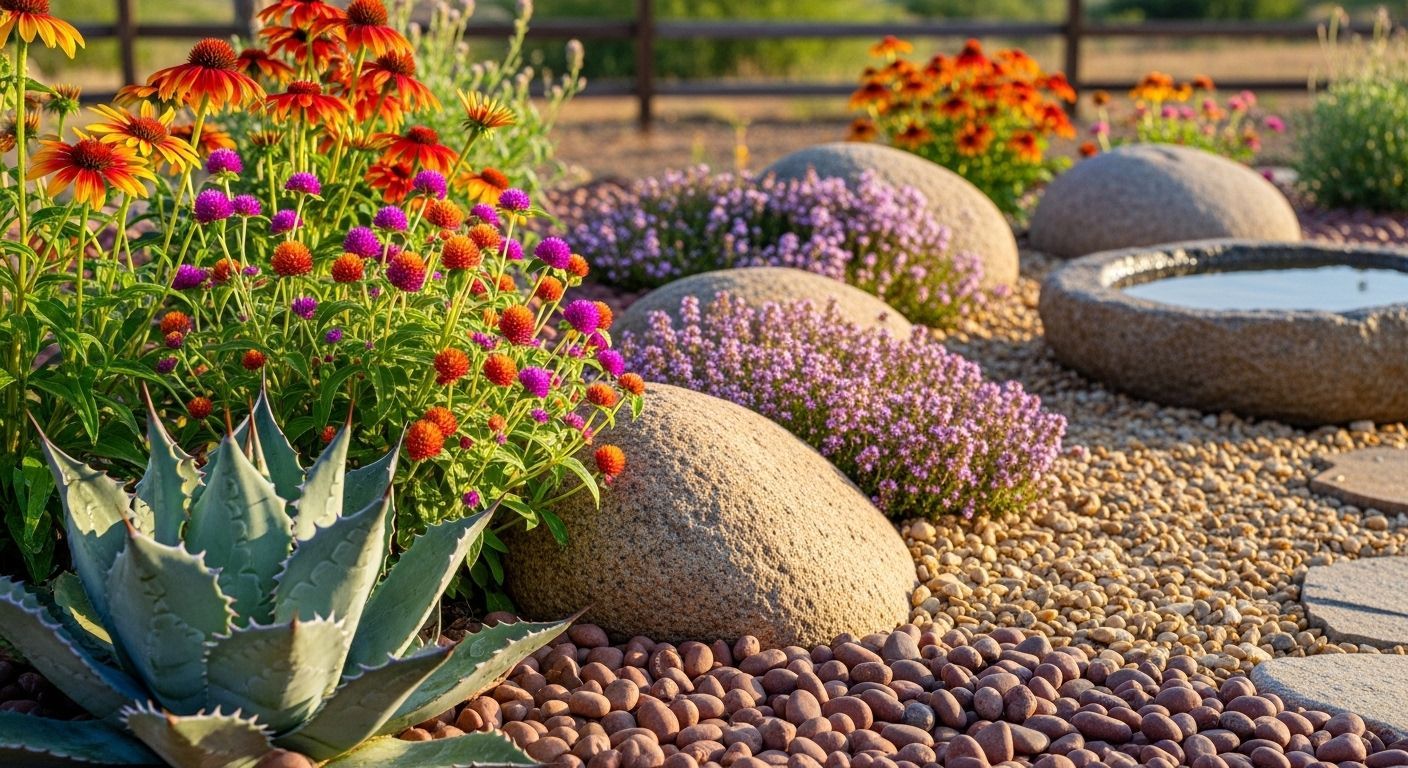
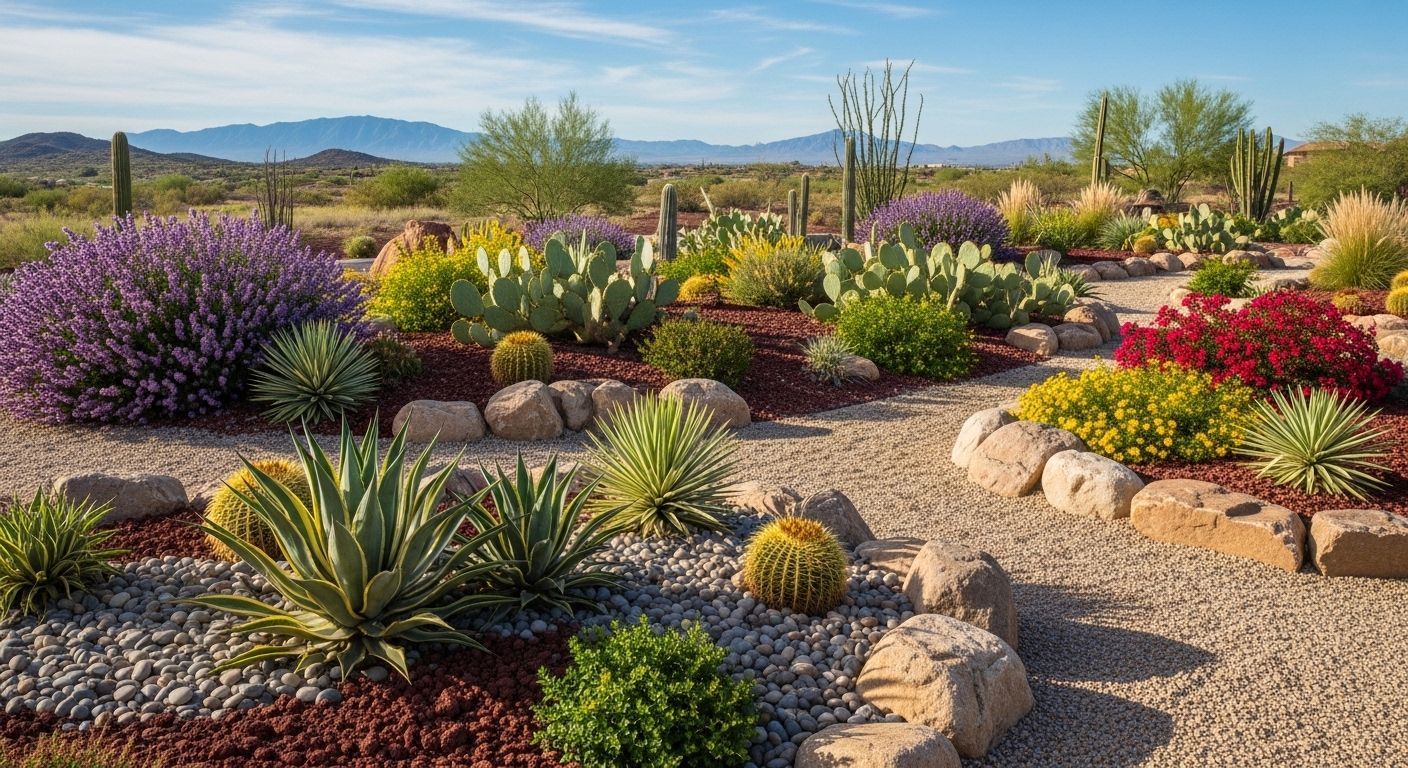
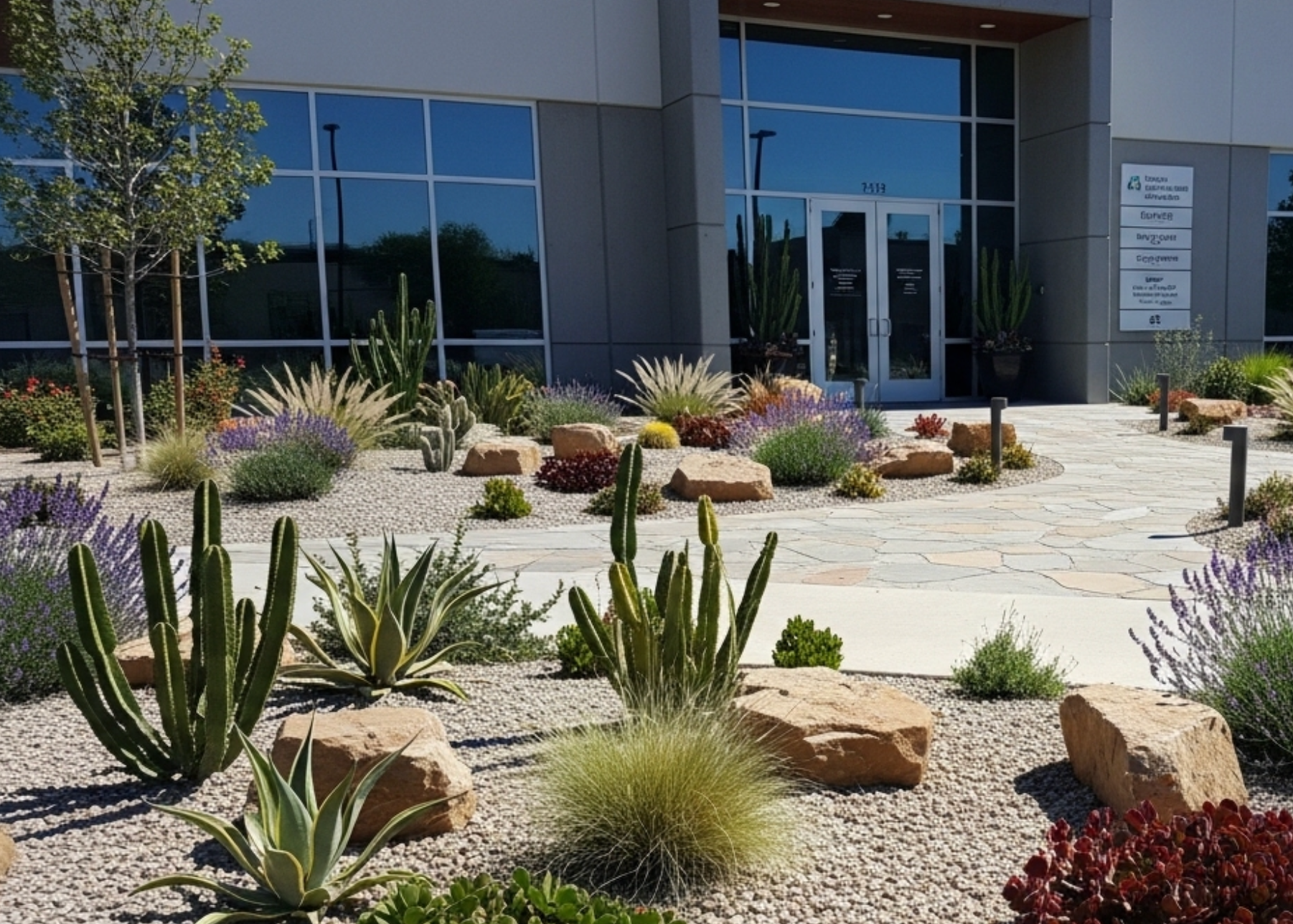
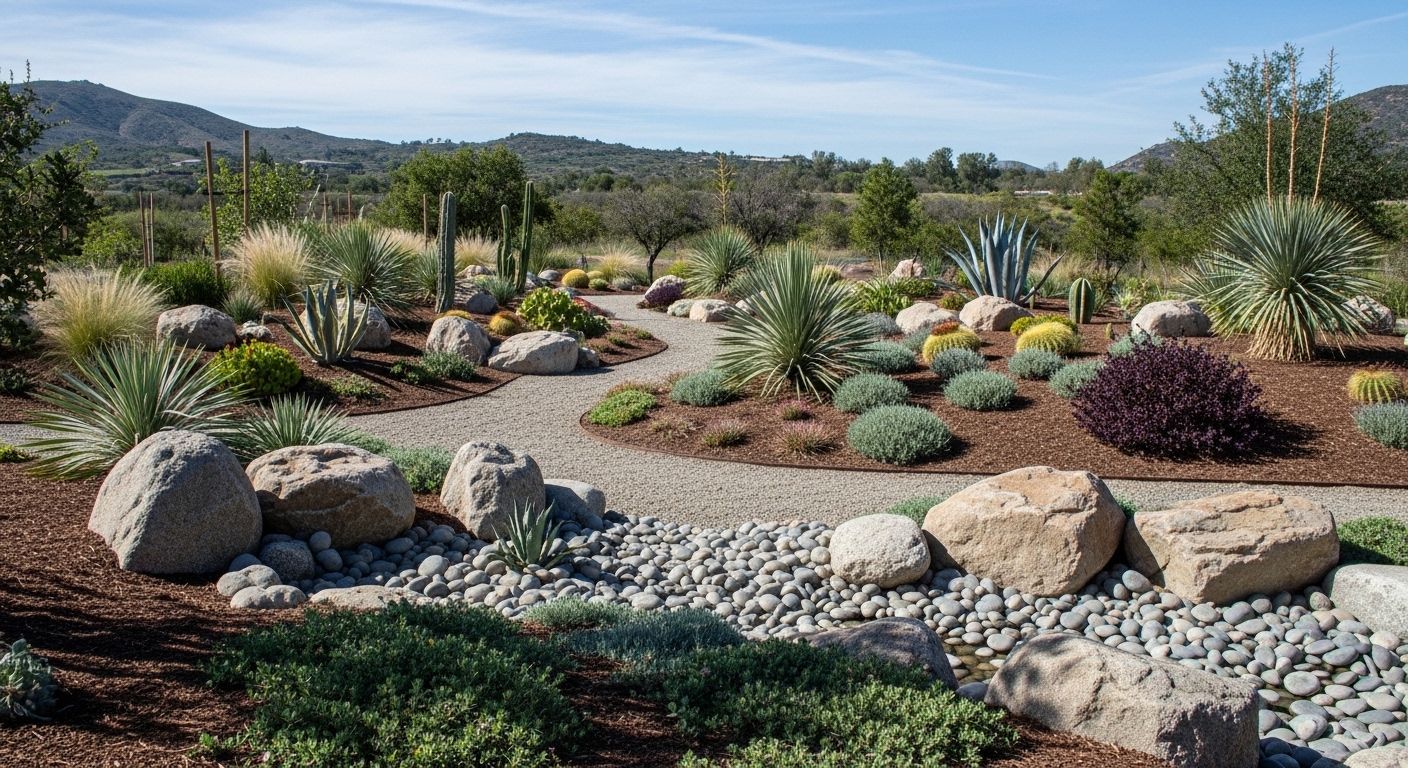
Lawn alternatives extend beyond low growing groundcover. Many homeowners are also moving toward mixed plantings that combine groundcover with ornamental grasses, low shrubs, and mulched or gravel pathways, creating a yard that has visual variety without the upkeep of solid turf. This approach works especially well in areas that see limited foot traffic, where a functional lawn was never really necessary to begin with.
For yards that still need some open, usable turf space, we often recommend a hybrid approach, reducing lawn area to just what is genuinely used for recreation or gathering, and converting the rest to groundcover, native beds, or hardscaping. This keeps the practical benefits of open lawn space while cutting overall water use and maintenance time considerably.
Maintenance That Actually Decreases Over Time
One advantage groundcover has over turf is that maintenance tends to decrease as plantings mature, rather than staying constant year after year. Once established, most native groundcovers fill in fully, leaving little room for weeds and requiring only occasional upkeep. We also advise clients on what perennials should not be fertilized heavily, since overfertilizing established groundcover can sometimes cause more harm than benefit.