Rock, Mulch, and Hardscape Elements
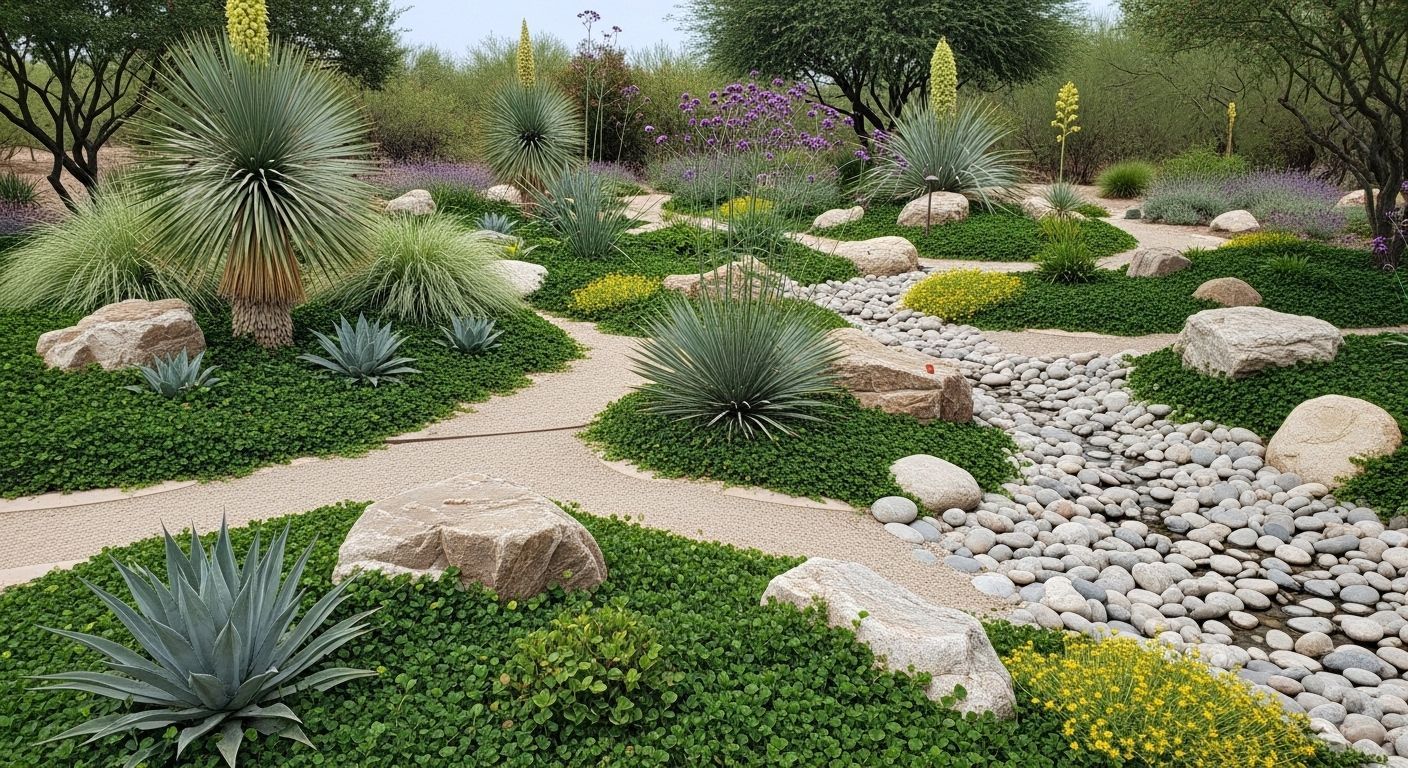
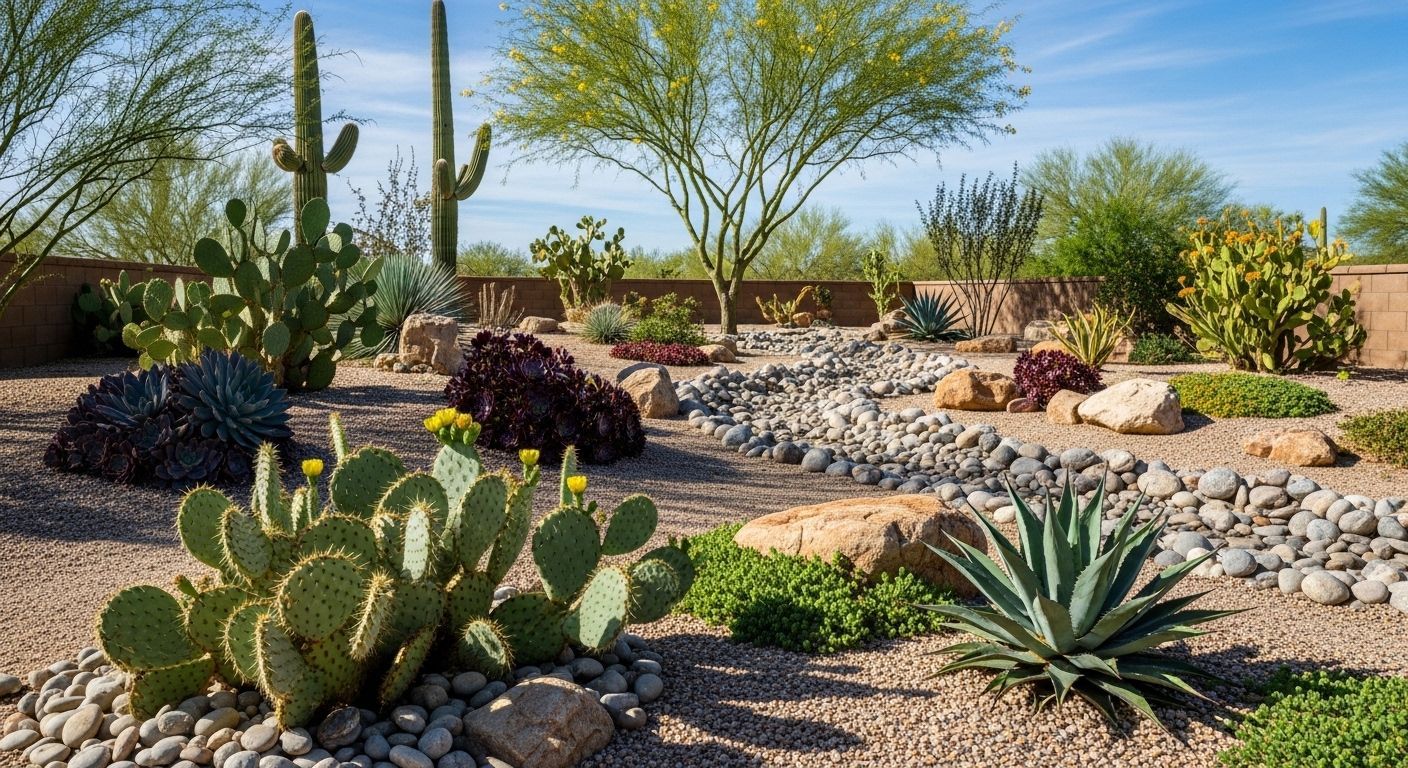
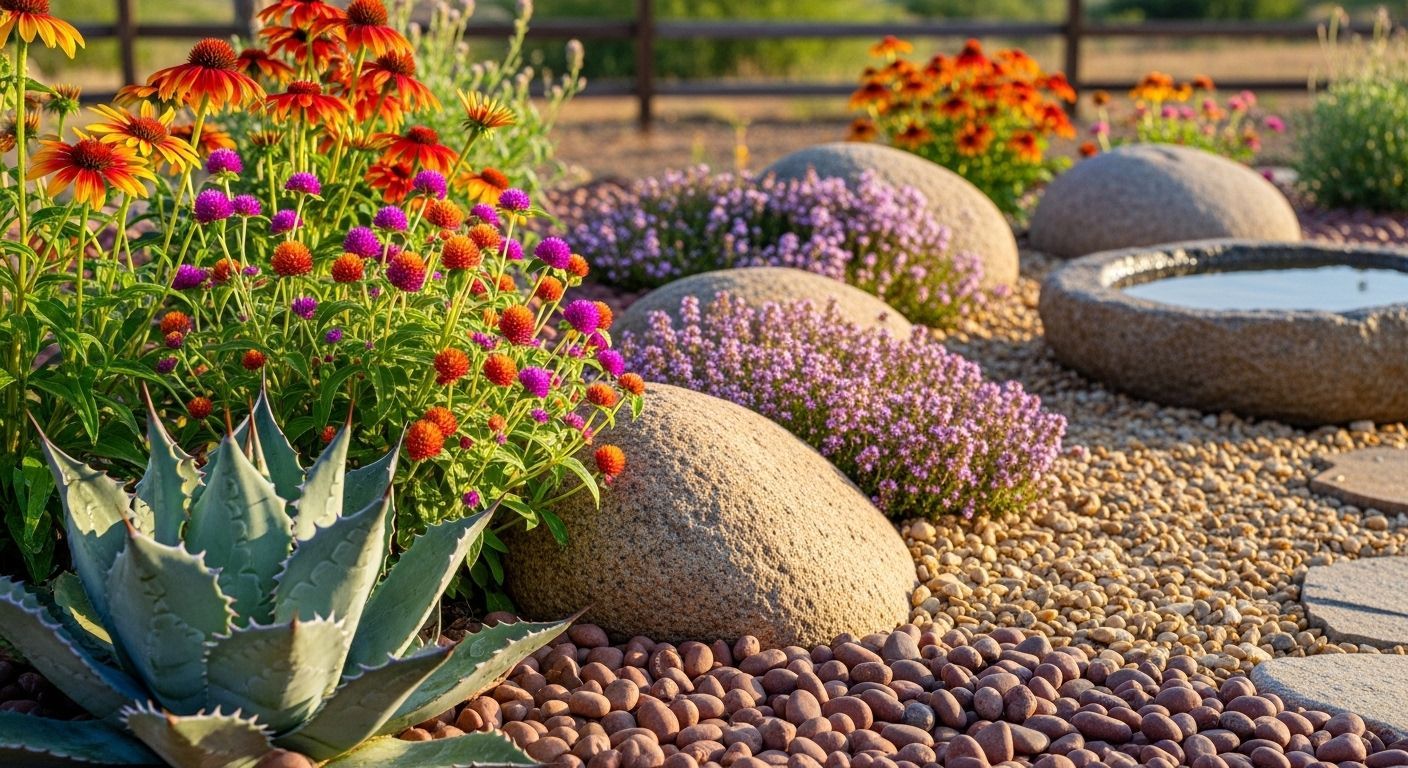
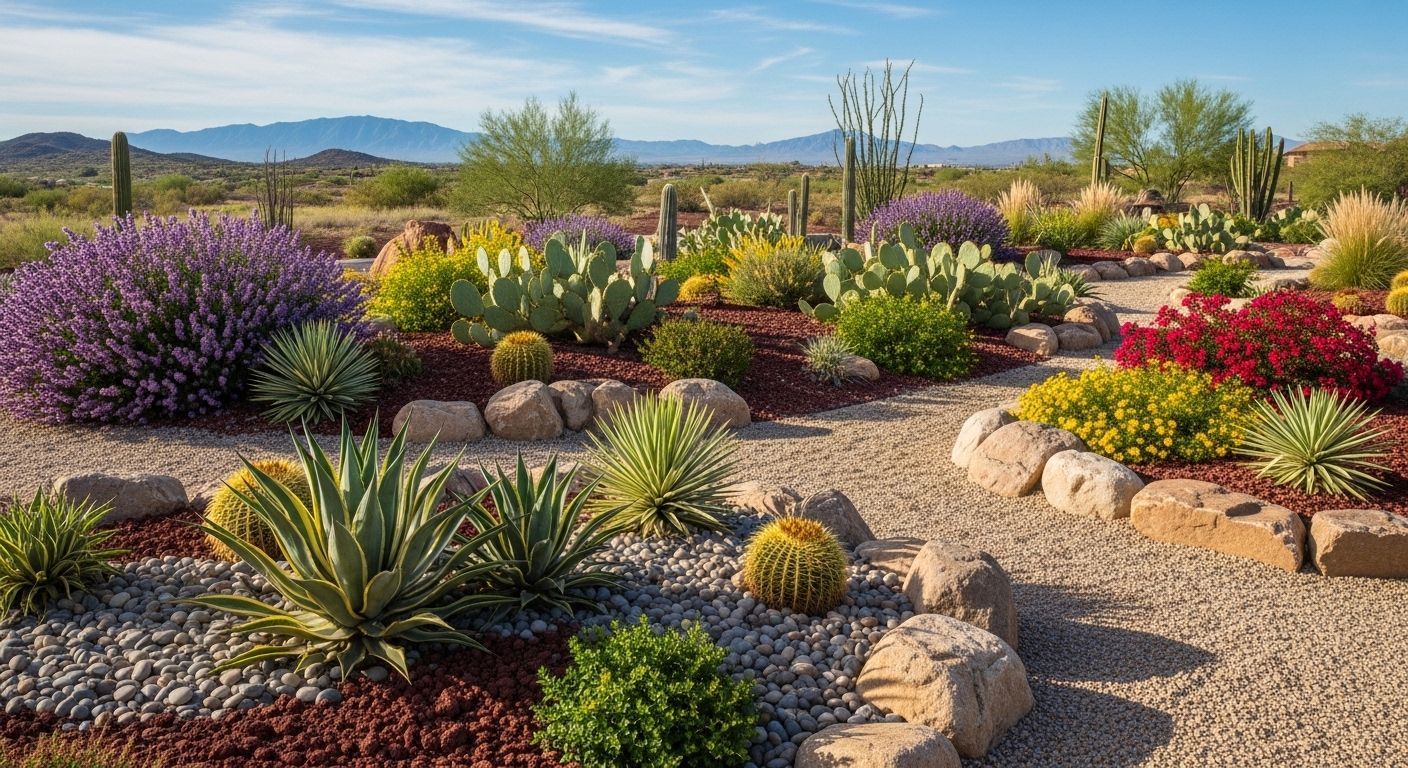
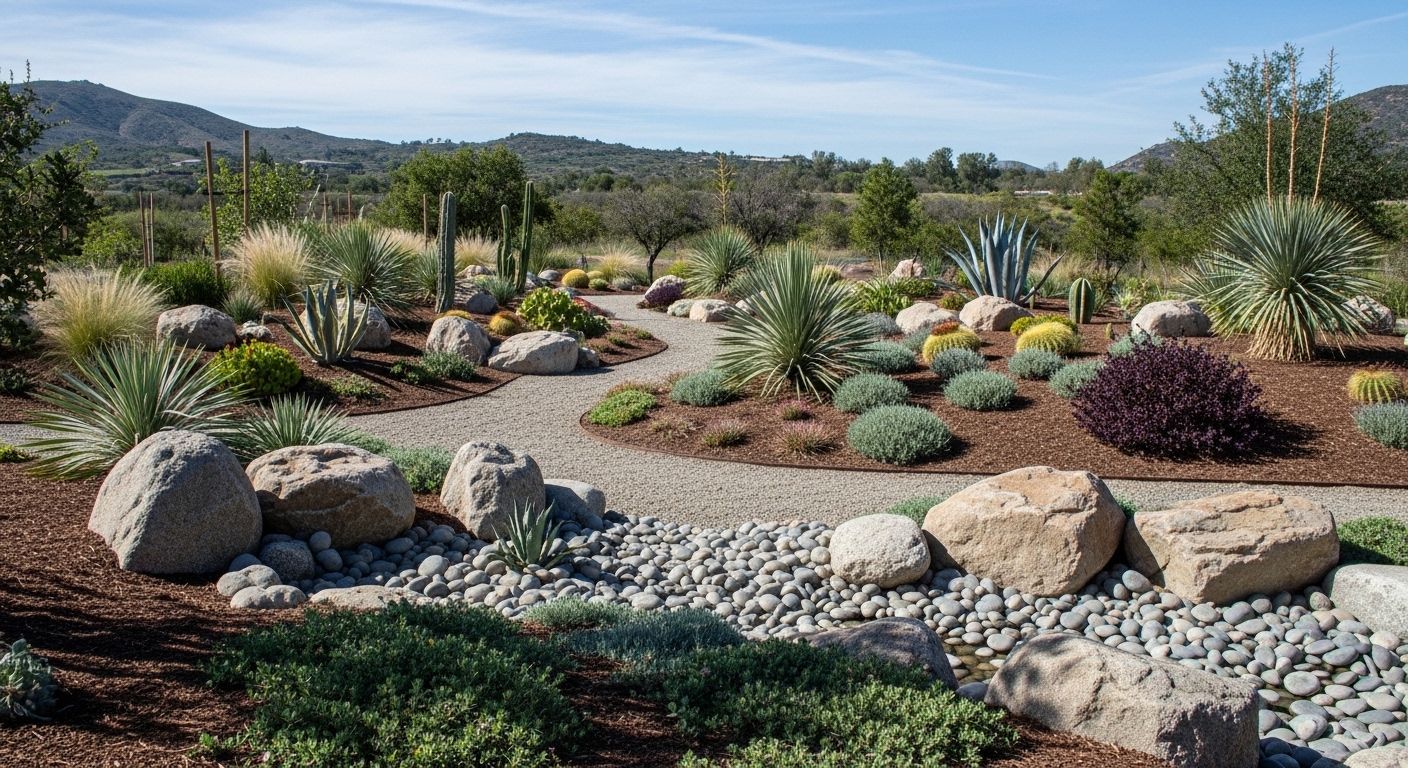
Rock and mulch play a bigger role in SmartScape design than most people expect. Beyond aesthetics, a well placed layer of mulch regulates soil temperature, slows evaporation, and suppresses weeds, which means less watering and less time spent pulling unwanted growth. Decorative rock works especially well in areas with poor soil types in Saratoga Springs yards, including spots with heavy clay or steep drainage, where it provides a low maintenance, erosion resistant surface that still looks intentional rather than neglected.
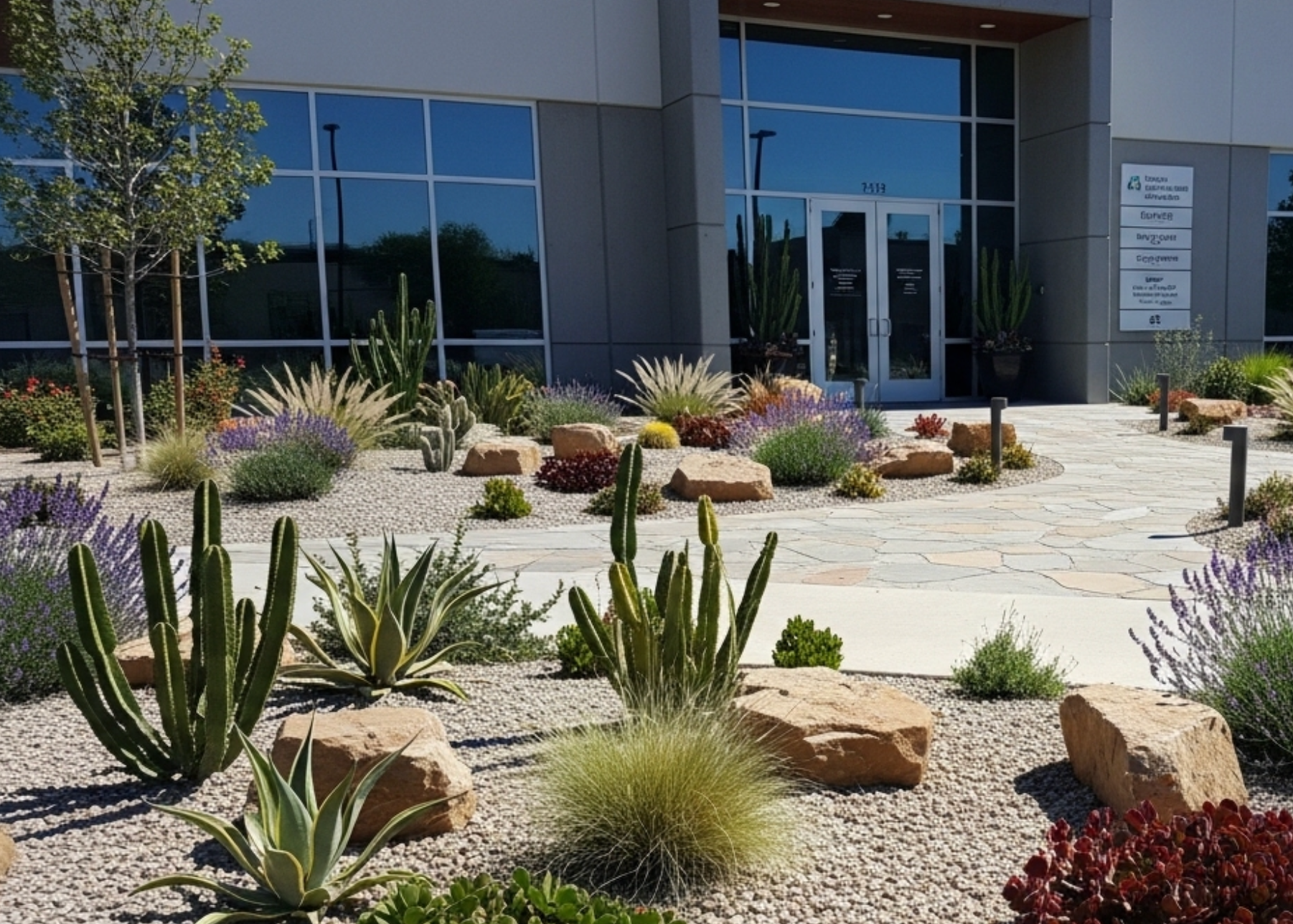
We also incorporate hardscaping elements like defined borders, pathways, and patio edges, which give a yard structure and make maintenance far more predictable. A well designed hardscape layout keeps mulch and rock in place, keeps plant beds tidy, and reduces the creeping maintenance that happens when boundaries are not clearly defined.
Native Plant Selection at the Core
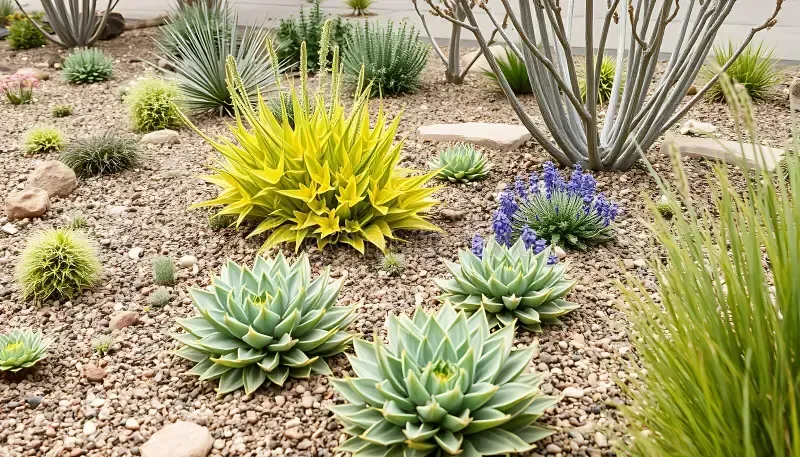
No SmartScape installation is complete without thoughtful plant selection. We draw from a detailed native plants list suited to the Saratoga Springs region, choosing species based on your yard's specific sun exposure, soil composition, and drainage patterns. Native and adapted landscape plants require significantly less intervention once established. Research from the Xerces Society and multiple university extension programs has found that established native plantings can reduce fertilizer and pesticide needs by up to 60 percent, since these species have evolved alongside local soil microbes and pollinators for generations.
We group plants with similar water needs together, a practice that prevents overwatering and keeps your landscape looking cohesive rather than patchy. Our team also advises on what perennials should be left alone and when to fertilize the ones that benefit from it, since improper fertilizing is one of the most common reasons new plantings underperform.
Efficient Irrigation That Matches the Design
A SmartScape yard is only as efficient as its irrigation system. We design and install drip irrigation and zoned sprinkler systems that deliver water directly to plant roots rather than spraying it across open air, cutting down on evaporation and runoff. Systems are zoned according to plant water needs, so drought tolerant natives are not overwatered alongside thirstier plantings nearby.